Technology
Technology is reshaping the landscape for activists and organizers, sometimes in ways that aren’t immediately visible. From surveillance cameras tracking license plates to social media platforms shifting their policies, understanding these tools and trends helps us protect ourselves, our neighbors, and our movements.
Table of Contents
Flock Surveillance Systems
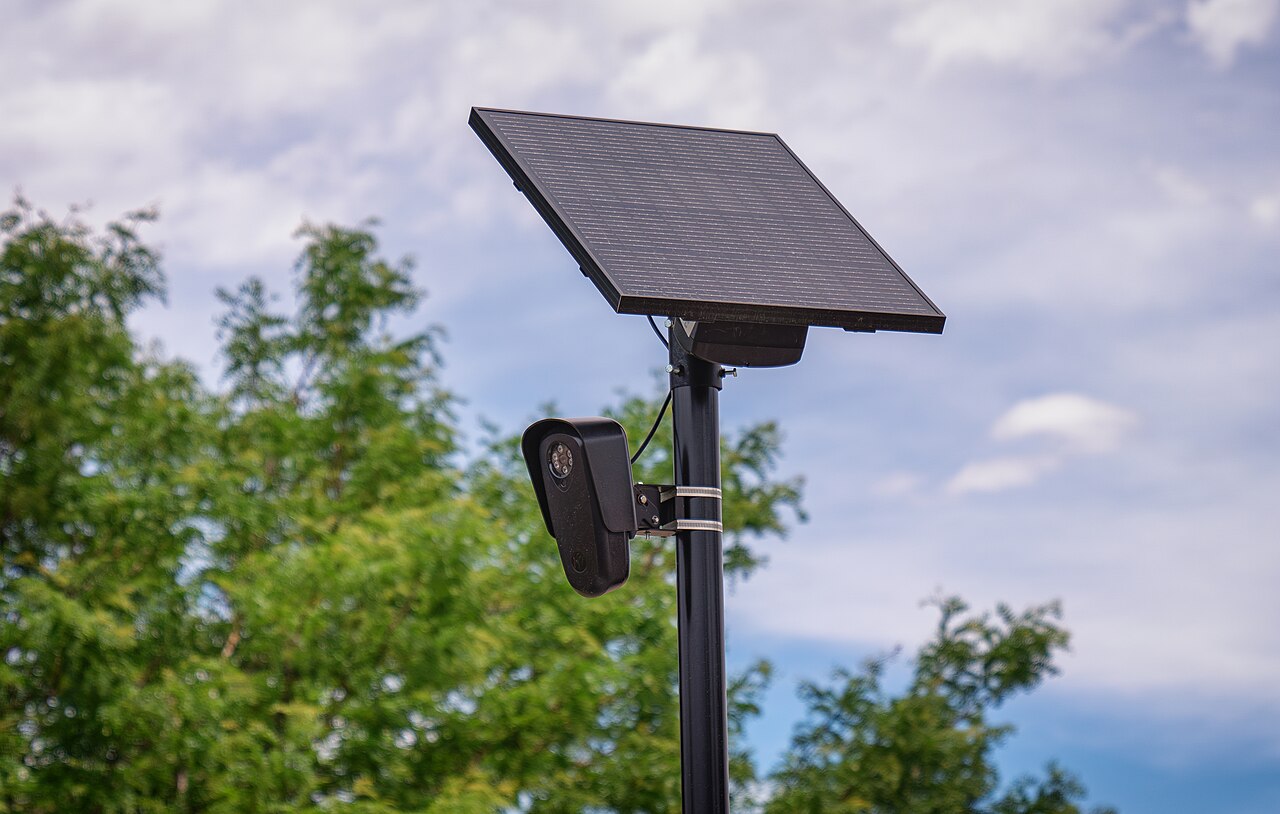
Photo by Tony Webster, CC BY 2.0
Flock Safety is a company that installs networks of automated license plate reader (ALPR) cameras in cities across the country. These cameras capture and store images of every vehicle that passes by, building a searchable database that law enforcement can query without a warrant. Flock’s systems are already in use in over 2,000 cities in at least 42 states.
The privacy implications are significant. Records have shown local police conducting searches on behalf of ICE for immigration enforcement. In one documented case, a Texas officer used Flock to track a woman across state lines after she obtained an abortion. The ACLU and EFF have documented how the system has been used to track protesters exercising their First Amendment rights. The EFF also found that over 80 law enforcement agencies used Flock to conduct ethnicity-based searches targeting Romani communities, often using slurs as search terms and citing no specific crime. Tools like Flock don’t create discriminatory policing, but they make it faster and easier to carry out at scale.
Flock is also expanding beyond license plates into video surveillance with AI-powered search capabilities, integration with commercial data brokers, and a “Business Network” that allows private companies to create their own watchlists. Communities can push back by asking local city councils to refuse or discontinue Flock contracts and by advocating for strict limits on data retention and sharing.
Local Update: Johnson County
Community pushback against Flock cameras has had real results right here in Johnson County. In Coralville, Police Chief Kyle Nicholson signed a $36,000 two-year contract with Flock Safety in May 2025 without council approval or public disclosure. When residents learned about the cameras, they organized and packed council meetings to demand their removal. The council initially passed a usage policy prohibiting the cameras from being used for immigration enforcement, but the Iowa Attorney General’s Office sent a letter threatening civil action and loss of state funding unless the city removed that restriction, citing Iowa Code section 27A.4 which forbids local policies that discourage immigration enforcement. Rather than comply and open the door to ICE using the data, the Coralville City Council voted 3–1 on February 24, 2026 to cancel the Flock contract entirely. The cameras were removed the next day.
In Iowa City, the University of Iowa had installed 26 Flock cameras on city property through a temporary right-of-use agreement. The city ended that agreement, and all 26 cameras have been taken down.
These victories show that local organizing works, but the pressure to adopt surveillance technology isn’t going away. Staying informed and showing up at council meetings remains one of the most effective ways to keep these systems out of our community.
Sources
- ACLU: How To Pump the Brakes on Flock (Feb 2023)
- ACLU: Flock’s Expansions Go Far Beyond Driver Surveillance (Aug 2025)
- EFF: Flock Safety Surveillance Abuses (Dec 2025)
- Iowa Public Radio: Coralville ALPR Cameras (Feb 2026)
- Daily Iowan: Coralville Ends Flock Contract (Feb 2026)
- Little Village: Coralville Council Ends Flock Contract (Feb 2026)
- People Power Radio Hour with Justin K Comer — KRUI discussion on Flock Safety cameras in Johnson County (Jul 2025)
- People Power Radio Hour: Coralville Flock Update — Coralville residents who helped end the Flock contract share their story on KRUI (Mar 2026)
Ring Cameras and Law Enforcement

Amazon’s Ring doorbell cameras have become one of the largest private surveillance networks in the country. In 2025, Ring announced a partnership with Flock Safety that allows law enforcement agencies using Flock to request that Ring doorbell owners share their footage for investigations. Ring also partnered with Axon (the company behind Tasers and police body cameras) and rolled out an AI-powered facial recognition feature called “Familiar Faces.”
While Ring frames footage sharing as voluntary, the practical effect is a vast residential surveillance network that police can tap into. The EFF has documented how Ring has historically shared video with police without user consent or a warrant, and how the company has repeatedly rolled back privacy protections. In 2023, Ring paid a $5.8 million fine after the FTC found that employees and contractors had broad, unrestricted access to customers’ videos for years.
For activists, this means that doorbell cameras in your neighborhood may be feeding footage to law enforcement, including federal agencies, often without the camera owner fully understanding how their data is being used.
Sources
- EFF: Ring Cashes in on Mass Surveillance (Jul 2025)
- TechCrunch: Ring Partners with Flock (Oct 2025)
Social Media Consolidation
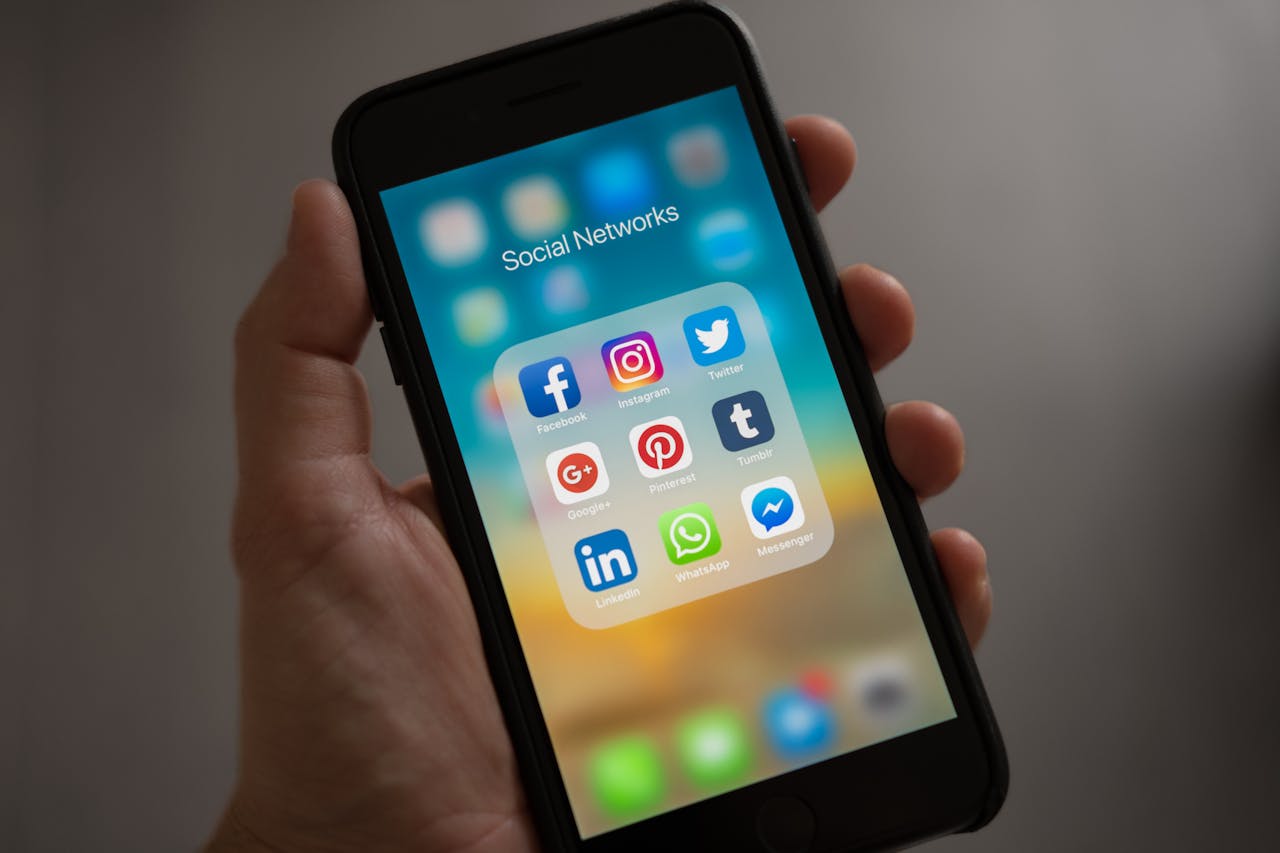
Major social media platforms are increasingly concentrated under the control of billionaires aligned with the current administration, raising concerns about how information flows to the public and how activist organizing is treated on these platforms.
Elon Musk acquired Twitter (now X) and has dramatically changed its content moderation, reinstating previously banned accounts and reducing enforcement against misinformation and harassment. Meta’s Mark Zuckerberg ended Facebook and Instagram’s third-party fact-checking programs in January 2025, replacing professional fact-checkers with a user-driven “Community Notes” system and dialing back automated content moderation. TikTok’s U.S. operations are being transferred to an investor group led by Oracle, whose founder Larry Ellison is a close ally of the administration. Ellison’s son David also controls CBS through a merger with Paramount, and the family has pursued acquiring Warner Bros. Discovery, which owns CNN.
For organizers, this consolidation means reduced content moderation across platforms, less accountability for misinformation campaigns targeting activists, and growing concerns about algorithmic suppression of progressive content. Consider diversifying your communication channels. Platforms like Bluesky and Mastodon offer decentralized, privacy-focused alternatives that aren’t controlled by a single billionaire.
Sources
- NPR: Meta Ends Fact-Checking (Jan 2025)
- NPR: TikTok Deal with Oracle-Led Group (Dec 2025)
- FAIR: US Moves Toward One-Party Media (Jan 2026)
Digital Security for Activists
Whether you’re attending a protest, organizing an action, or just communicating with your group, basic digital security practices can protect you and the people around you. These recommendations come from the Electronic Frontier Foundation (EFF), the ACLU, and other digital rights organizations.
Before an Action
- Enable full-disk encryption on your phone and protect it with a strong passcode (8–12 characters). If your device is confiscated, encryption helps protect your data.
- Disable biometric unlocking (fingerprint and face recognition). Law enforcement can physically force you to unlock with a fingerprint, but passwords have stronger legal protections.
- Install Signal for encrypted messaging. Signal hides metadata even from its own servers and is the gold standard for activist communications. Set messages to auto-delete.
- Back up important data to a secure location before you go.
- Consider a prepaid phone if you want to avoid linking your personal identity to your location.
During an Action
- Turn off location services entirely, not just for individual apps. Even in Airplane Mode, apps can store GPS data and transmit it later.
- Enable Airplane Mode if you don’t need calls or texts. This prevents location tracking via cell towers.
- If taking photos or video, use your lock screen camera shortcut to avoid unlocking your phone. Blur or block faces of other participants before posting, and strip metadata from images before sharing.
- Use cash on public transit to avoid creating trackable payment records.
Communication Security
- Use Signal over WhatsApp. Both offer end-to-end encryption, but Signal is a nonprofit that collects minimal metadata. WhatsApp is owned by Meta and collects phone numbers, IP addresses, and device information that can be shared with third parties.
- Be cautious on social media. Promoting public events is fine, since that’s how people find out about them. But avoid sharing internal strategy, real-time location updates during actions, or photos where participants’ faces are identifiable without their consent. Law enforcement uses social media surveillance tools to monitor activist activity in real time.
- Be aware of facial recognition. Hundreds of police departments use Clearview AI and similar tools fed by social media photos. Mass demonstrations provide opportunities for law enforcement to collect faces via cameras and mobile devices.